




Calculating the ending inventory, also known as closing inventory, accurately is crucial for financial reporting and inventory management for D2C brands.
Understanding LIFO - A Brief Overview
LIFO, or Last-In First-Out, is a method of inventory valuation where the newest items are sold first.
This technique is advantageous in industries with rising inventory costs, as it aligns higher recent costs with current revenues.
Steps to Calculate Ending or Closing Inventory Using LIFO
- Document Inventory Purchases and Sales: Begin by listing your inventory purchases chronologically along with the costs.
- Record Sales: Track the number of items sold during the period.
- Calculate Cost of Sold Inventory: Start with the most recent inventory to compute the cost of goods sold (COGS) based on the quantity sold.
- Identify Remaining Inventory: Determine the items that were not sold by the end of the period, which make up your ending inventory.
- Use the LIFO Ending Inventory Formula: Add up the costs of the oldest remaining items to find the value of your ending inventory.
How Prediko Makes LIFO Calculation Easy for Shopify Brands
Prediko’s seamless integration with Shopify and various WMS enables you to view the latest closing inventory across your entire business.
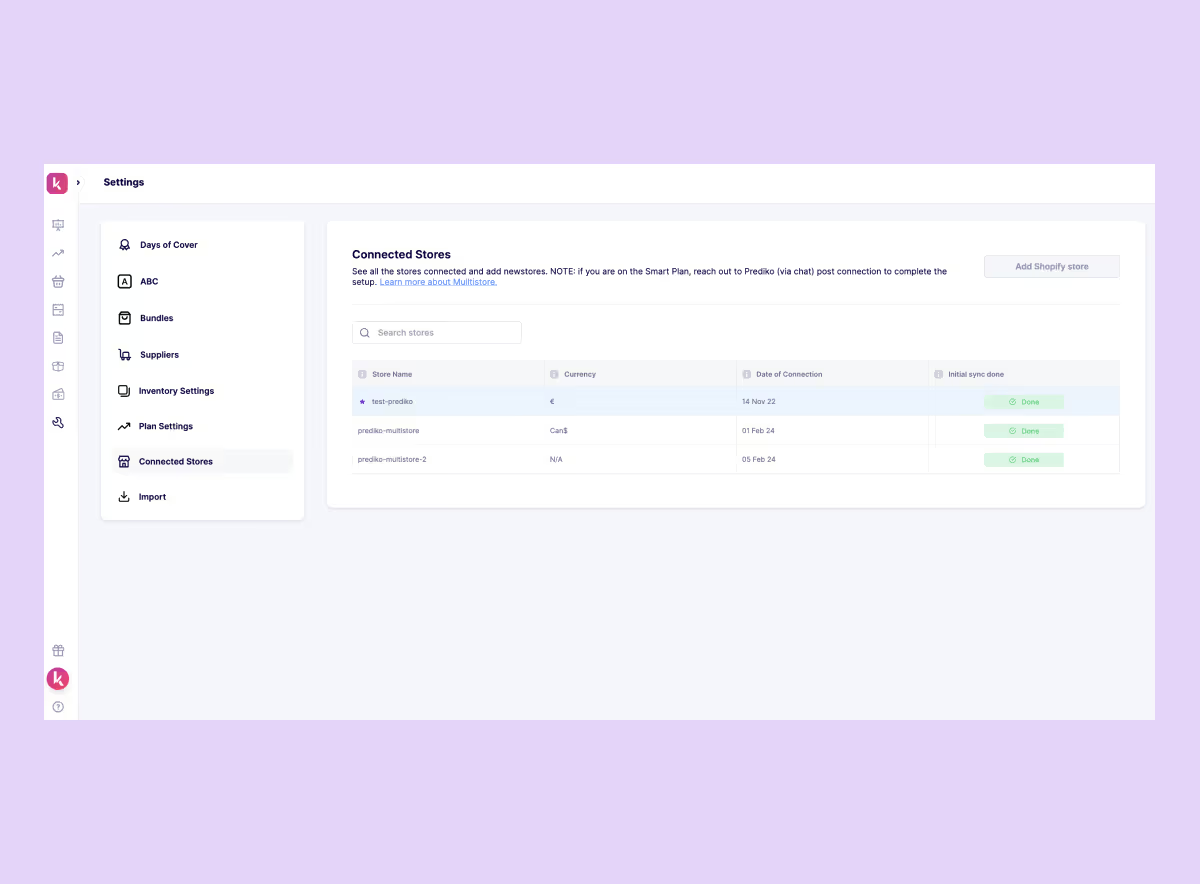
You can also view closing inventory data by SKU or product using the 150+ filters available in Prediko's buying table.
.avif)
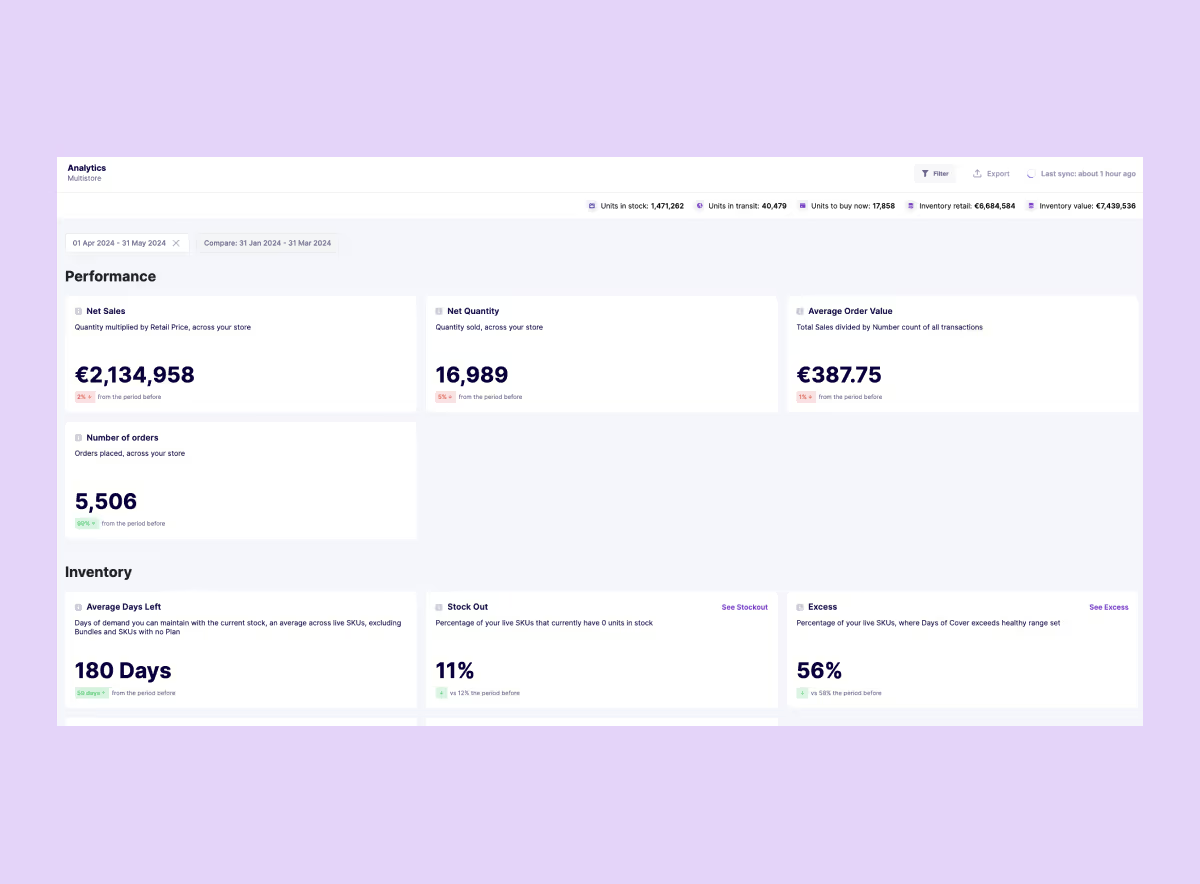
Prediko also gives full visibility and analytics of your inventory performance for a particular period.
Evaluating the Impact of LIFO for Shopify Brands
- A low LIFO turnover rate indicates that inventory items are staying in stock longer before being sold.
- Overstocking may occur if too much inventory is purchased upfront, leading to excess stock and tied-up capital.
- A high LIFO turnover rate shows that inventory is being sold quickly, indicating consistent product demand. Learn how to effectively calculate inventory turnover for your D2C brand.
In order to effectively report LIFO, feel free to try out these Shopify apps that help with inventory reporting.
Strategies to Enhance LIFO for Shopify D2C Brands:
- Precise Demand Forecasting: Use sales data and market trends to accurately predict future demand. Prediko’s tools can be easily installed for your Shopify store to aid in these predictions.
- Optimize Warehouse Layout: Design an efficient warehouse layout to facilitate easy access to newer items, encouraging their sale.
- Collaborate with Teams: Work closely with sales, marketing, and finance teams to refine sales forecasts, ensuring a more accurate demand prediction. Prediko can generate forecasts in just one click.
- Adjust Inventory Levels for Seasonal Demand: Maintain optimal stock levels throughout the year by adjusting based on seasonal demand fluctuations.










.avif)